Santorini Tours: Villages And Viewpoints
Santorini has around a dozen villages and perhaps twenty viewpoints that operators regularly stop at, and no itinerary covers more than a third of them. The choice of which ones matters more than almost anything else about a day here, because the difference between the busiest and the quietest is not a matter of degree — it is the difference between a crowded walkway and an empty terrace with the same view.
This is a stop-by-stop assessment. What each village and viewpoint actually offers, how crowded it gets and at what hour, how long to allow, and which ones the standard santorini tours skip that they should not.
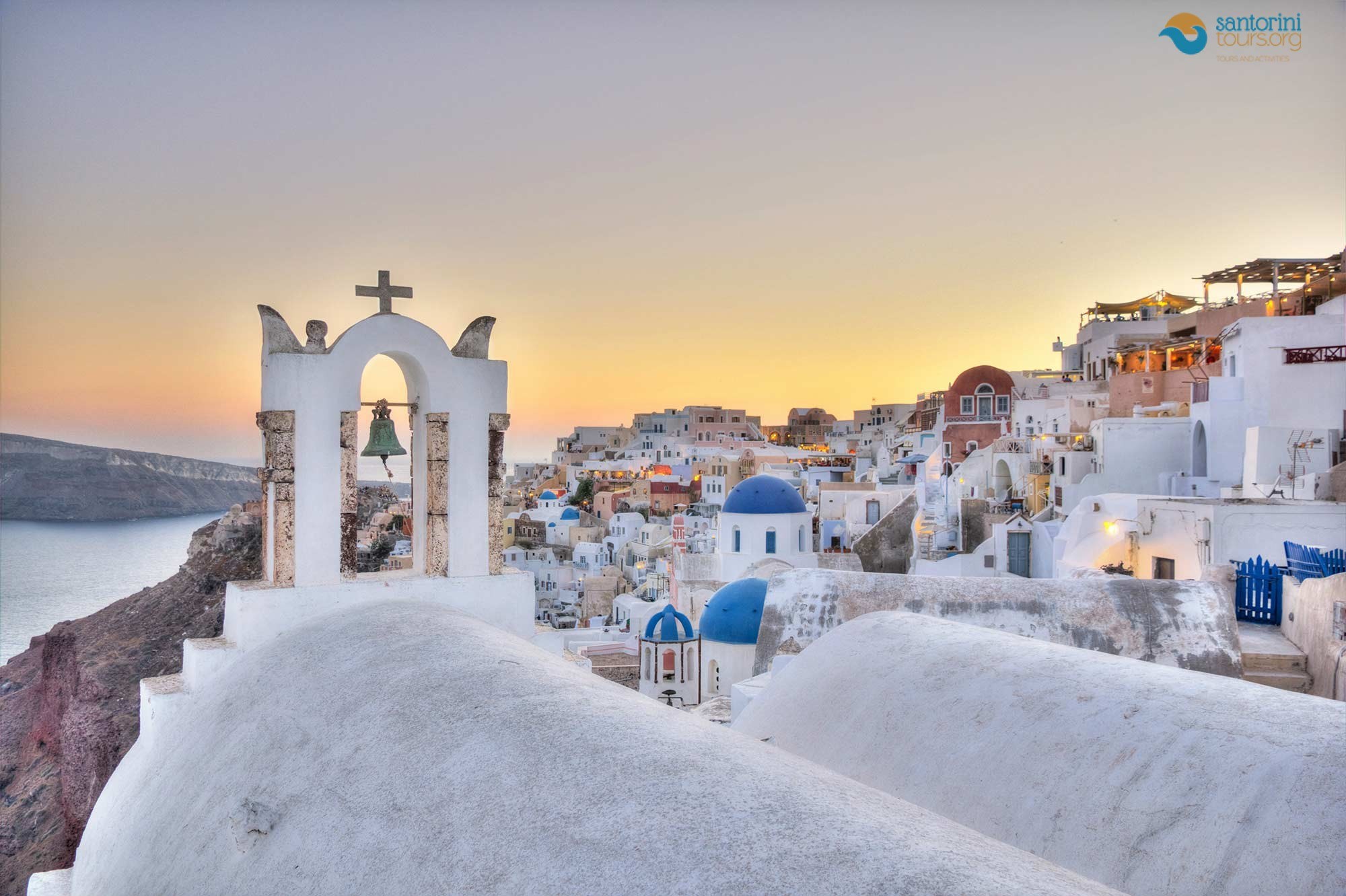
For travellers planning the island, santorini tours and santorini tours offer expertly guided experiences across Santorini — from caldera sunsets and volcano walks to private wine tastings and tailor-made sightseeing.
Which Villages Do Santorini Tours Usually Visit?
Oia, Fira, Firostefani and Imerovigli on the caldera rim; Pyrgos, Megalochori and Emporio inland; Kamari and Perissa on the coast.
On santorini tours the four rim villages absorb nearly all the traffic because they hold the caldera views. The inland three are quieter, older and consistently the ones first-time visitors are most surprised to have enjoyed. The coastal two are beach destinations rather than sightseeing stops.
A full day covers four or five of them comfortably. Most santorini tours choose three rim villages and one other, which over-weights the crowded half of the island — a better balance is two rim, two inland.
Oia On Santorini Tours: Worth The Crowds?
Yes, before ten in the morning. Increasingly not, after four in the afternoon.
On santorini tours Oia occupies the northern tip of the island: marble lanes along a clifftop, the blue-domed churches on the seaward edge, a ruined Venetian castle at the western point where the sunset crowd gathers, and Ammoudi harbour three hundred steps below.
It is genuinely one of the most beautiful villages in the Mediterranean and it receives the consequences of that. In high season the main walkway runs at capacity from late morning, and the ninety minutes before sunset are a slow shuffle. Santorini tours that place Oia first see a completely different village from those that arrive at five.
Allow: 75–90 minutes. Best hour: 08:30–10:00.
Ammoudi: Worth The Three Hundred Steps?
For lunch or an early swim, yes. As a quick photo stop, no.
On santorini tours Ammoudi is the old fishing harbour directly below Oia, reached by a steep stepped path or a short drive round. A row of fish tavernas sits at the water’s edge with the red cliff rising behind them, and there is swimming off the rocks past the last taverna.
The steps are the consideration: around three hundred down and the same back up, in full sun, shared with donkeys. Doing it in the middle of a hot day after a morning of walking is a genuine mistake. Most santorini tours drive down rather than walk if they include it at all.
Allow: 90 minutes with lunch. Best hour: 12:00–14:00 or evening.
Imerovigli: The Best Caldera View On Santorini Tours?
Arguably yes — the highest point on the rim, and far quieter than Oia.
On santorini tours Imerovigli is known as the balcony of the Aegean, and it sits at the caldera’s highest elevation with the widest sweep of any village. The view north takes in Oia on its headland, and Skaros Rock juts out below — a Venetian fortress site reachable on a short, steep path.
It has few shops and no coach parking, which is precisely why it stays calm. For sunset it is the strongest alternative to Oia on the island: the same sun over the same caldera, room to stand, and a five-minute exit rather than a ninety-minute one. Well-planned santorini tours increasingly end here.
Read more: Vourvoulos Santorini Private Guided Transfers
Allow: 45 minutes, or 90 with the Skaros walk. Best hour: any, best at sunset.
Firostefani: Why Do Guides Recommend It?
Same caldera view as Fira, a fraction of the noise, and the island’s most photographed church below it.
For santorini tours Firostefani is a ten-minute walk north of Fira along a paved rim path. The Three Bells of Fira — the blue-domed, three-belled church that appears on half the island’s postcards — sits just below that path and shoots best in the morning with the light behind the camera.
It is the recommendation most experienced visitors make for accommodation, and it works as a tour stop for the same reason: everything Fira offers in terms of view, without the cruise traffic. Santorini tours often pass through without stopping, which is a missed opportunity.
Allow: 30–45 minutes. Best hour: 09:00–11:00 for the church.
Fira On Santorini Tours: Destination Or Hub?
Hub. Useful, busy, and not the island’s prettiest village.
For santorini tours Fira is the capital: the bus station, the cable car to the old port, the Museum of Prehistoric Thera holding the Akrotiri frescoes, the widest choice of restaurants and the main shopping street. It has a genuine caldera view and a great deal of cruise-day congestion.
The museum is the reason to stop — it holds what the archaeological site cannot display, and an hour there transforms a visit to Akrotiri. Otherwise santorini tours are right to treat Fira as a place to pass through rather than linger, particularly between eleven and four.
Allow: 60 minutes with the museum, 20 without. Best hour: early or after 17:00.
Pyrgos: The Best Inland Village On Santorini Tours?
Yes, and the stop first-timers most often name as their favourite.
On santorini tours Pyrgos is a medieval hilltop village of stepped lanes spiralling up to a Venetian castle, with a 360-degree panorama from the top taking in both coasts and, on a clear day, neighbouring islands. It was the island’s capital before Fira and it remains genuinely lived-in rather than staged for visitors.
It sits about twenty minutes from the caldera and close to most of the wineries, which makes it a natural late-afternoon pairing. Crowd levels barely move with the season — an August afternoon in Pyrgos feels close to a May one, which is why santorini tours weight it more heavily in peak months.
Allow: 60 minutes. Best hour: 16:00–18:00 for the light.
Read more: Vothonas Santorini Private Guided Tour
Megalochori: What Is There?
Neoclassical mansions, free-standing bell towers and wine caves cut into the pumice.
On santorini tours Megalochori grew on wine money in the eighteenth and nineteenth centuries, and the architecture reflects it — larger, grander houses than the cave dwellings elsewhere, with captains’ mansions and a small central square that photographs beautifully.
It takes half an hour to walk and sits directly between Akrotiri and the winery belt, so it costs almost nothing to include. Santorini tours running the southern half of the island pass through it regardless; the question is only whether they stop.
Allow: 30–40 minutes. Best hour: late afternoon.
Emporio: Why Do Most Santorini Tours Skip It?
Because it does not photograph like Oia — which is exactly the argument for going.
Emporio holds the island’s largest medieval kasteli, a defensive maze of interlocking houses built to present a blank outer wall to pirates, with narrow covered alleys and a tower at its centre. It is the best-preserved example of the island’s defensive architecture and sees a tiny fraction of the visitors.
It is genuinely disorienting to walk, in a good way, and it takes about forty minutes. Very few standard santorini tours include it, so it usually has to be requested on a private itinerary.
Allow: 40 minutes. Best hour: any — it is shaded.
Profitis Ilias: Worth The Drive Up?
Yes for the panorama, briefly.
The island’s highest point at 567 metres, topped by an eighteenth-century monastery, with a view covering the caldera, both coasts, the airport, the farmland and the surrounding islands. It is the only place that shows the shape of the whole island at once — the steep caldera face and the gentle eastern slope that together form the old volcano’s profile.
It is a short detour from Pyrgos and a strong sunset alternative to Oia, with the advantage that leaving takes five minutes. Santorini tours ending here rather than in Oia give up nothing except the crowd.
Allow: 30 minutes. Best hour: sunset, or midday for clarity.
Skaros Rock: How Hard Is The Walk?
Fifteen minutes down and twenty back up, on a rough path — moderate rather than difficult.
Read more: Pyrgos Santorini Private Guided Transfers
On santorini tours Skaros is the promontory below Imerovigli that held the island’s medieval capital, abandoned after earthquakes. The path drops from the village onto the saddle and continues to a small chapel on the far side, with the caldera on three sides throughout.
It is the most dramatic short walk on the island and it removes you entirely from the crowds within five minutes. Shared santorini tours rarely allow enough time; on a private day it is a straightforward addition to an Imerovigli stop.
Allow: 45–60 minutes. Best hour: early morning or late afternoon.
Akrotiri: The Archaeological Site
The most significant Bronze Age site in the Cyclades, and the strongest reason to take a guided day.
The Akrotiri on santorini tours is a town of multi-storey buildings, paved streets, indoor plumbing and remarkable frescoes, buried under volcanic ash around 1600 BC and preserved by it. The population appears to have evacuated before the eruption — no bodies have been found — so what survives is a town paused rather than destroyed.
The site is roofed, level and walkable in about an hour, which also makes it the coolest stop on a summer itinerary. Only a licensed guide may lecture inside, so ask how your operator handles it. Nearly all full-day santorini tours include it.
Allow: 60–75 minutes. Best hour: 11:00–14:00, out of the heat.
Ancient Thera: The Site Everyone Misses
A Greek and Roman city on a ridge above Kamari, and one of the island’s most underrated stops.
Where the Akrotiri of santorini tours is Bronze Age and buried, Ancient Thera is classical and exposed — founded in the ninth century BC and occupied into the Roman period, spread along the spine of Mesa Vouno with an agora, a theatre, temples and houses still traceable in the stone.
The setting is extraordinary: a long ridge 350 metres above the sea with Kamari on one side and Perissa on the other, reached by a steep switchback road. It sees a fraction of Akrotiri’s visitors, and very few santorini tours include it.
Allow: 90 minutes. Best hour: morning, before the heat.
Kamari And Perissa: Which Beach?
Kamari for facilities and families, Perissa for a younger, cheaper stretch.
On santorini tours both sit on the east coast beneath the vast rock of Mesa Vouno, with black volcanic sand, full taverna and sunbed infrastructure and the island’s easiest swimming. Kamari has a paved promenade and is the more polished of the two; Perissa is longer, more relaxed and less expensive.
Read more: Perivolos Santorini Private Guided Transfers
The black sand gets genuinely hot underfoot by midday. Neither is what most people picture when they imagine a Greek island beach, and santorini tours that include a swim stop usually choose one of these two for the infrastructure rather than the scenery.
Allow: 90 minutes minimum to be worth it.
Red Beach: Can You Still Visit?
From the marked overlook, yes. The descent has been closed and reopened repeatedly for rockfall risk.
On santorini tours Red Beach sits beneath a cliff of oxidised scoria near Akrotiri, and the colour is genuinely striking — deep rust rock over dark red sand. The viewpoint above it is a five-minute walk from the car park and requires no descent.
Any itinerary promising a swim there deserves a question, because access depends on current conditions. Most santorini tours now treat it as a photo stop, which is the sensible approach.
Allow: 20 minutes from the overlook.
Vlychada: The Strangest Coastline
Wind-carved white cliffs that look genuinely lunar, and the most photogenic beach on the island.
On santorini tours Vlychada sits on the south coast where compacted volcanic ash has been sculpted by wind into columns, folds and overhangs. It is quieter than Kamari or Perissa, has a marina and a few good tavernas, and the tomato industrial museum sits at one end in a converted cannery.
For photography it is the strongest beach stop on the island, and it works best in flat afternoon light rather than direct sun. Santorini tours running the southern route pass close by.
Allow: 45–60 minutes.
Which Viewpoint Do Santorini Tours Use For Sunset?
Imerovigli first, Profitis Ilias second, Skaros third. Oia last.
All the viewpoints on santorini tours see the same sun set over the same caldera. What differs is the number of people between you and it, and how long it takes to leave afterwards. Oia concentrates several thousand visitors onto a walkway two metres wide and then releases them onto a village with one road.
The photographs from Imerovigli are as good, and often better, because the elevation is higher and Oia itself is visible in the frame lit up on its headland. Santorini tours ending anywhere other than Oia are making the single best decision available to them.
Read more: Perissa Santorini Private Guided Transfers
Which Santorini Tours Stops Are Overrated?
Oia at sunset, Fira’s shopping street, and the donkey ride.
On santorini tours Oia is not overrated as a village — only as a sunset venue, and only in season. Fira’s main shopping street is largely imported goods at captive-market prices, and an hour there is an hour not spent in Pyrgos or Emporio.
The donkeys on the old-port steps are widely criticised on welfare grounds and the cable car does the same journey in three minutes for €6. No reputable santorini tours include them any more.
Which Santorini Tours Stops Are Underrated?
Emporio, Ancient Thera, Skaros Rock and the Museum of Prehistoric Thera.
All four are quiet on santorini tours, all four are genuinely interesting, and all four are routinely omitted because they do not photograph as immediately as a blue dome. The museum in particular changes a visit to Akrotiri completely, since it holds the frescoes the site itself cannot display.
Santorini from the air: the caldera, the villages and the cliffs.
Any of them can be requested on a private itinerary at no extra cost. On shared santorini tours the route is fixed, which is the main structural argument for going private on a second visit.
How Many Stops Do Santorini Tours Fit In One Day?
Five or six comfortably, using the allowances above plus travel time.
The island santorini tours cross is eighteen kilometres long, but the single coastal road, the pinch points and the parking mean two and a half hours of a nine-hour day go to driving. Add boarding time on a shared vehicle and the realistic total is five stops unhurried or eight rushed.
Counting the stops and dividing by the hours is the fastest way to judge any listing. Santorini tours are defined by what they leave out, and the itineraries that look thinnest on paper are frequently the best days.
What Are The Wineries Worth Stopping At?
The belt between Pyrgos, Megalochori and Exo Gonia holds most of them, and any one is worth an hour.
On wine santorini tours the Assyrtiko grows on vines woven into low circular baskets pressed flat against volcanic soil, a technique developed over centuries to survive wind and drought and found essentially nowhere else. The vines are ungrafted because phylloxera cannot survive the ash, and some root systems are centuries old.
A tasting covers three or four wines and takes forty-five minutes to an hour. The wines are mineral, bone-dry and unlike anything from mainland Greece, and the better estates explain the kouloura training in the vineyard itself rather than only in the tasting room.
Late afternoon is the right slot — the heat has dropped and a tasting works as a wind-down rather than an interruption. It is also why anticlockwise santorini tours work so well, since the winery belt sits naturally on the return leg toward the caldera.
Read more: Santorini Sightseeing Tour
Allow: 60 minutes. Best hour: 15:30–17:30.
Is The Museum Of Prehistoric Thera Worth An Hour?
Yes, and it is the single best complement to Akrotiri.
For santorini tours the museum in Fira holds what the archaeological site cannot display: the frescoes lifted from the buried town, the pottery, the gold ibex figurine, and the reconstructions that show what the rooms looked like before the ash. Standing at Akrotiri you see walls; here you see what was painted on them.
It is small, air-conditioned and takes about an hour. Very few santorini tours build it in, because it sits in Fira where most itineraries only pass through, but for anyone who found Akrotiri interesting it roughly doubles the value of that stop.
Allow: 60 minutes. Best hour: midday, out of the heat.
What About The North-East Coast?
Vourvoulos and Baxedes are where the island’s residents swim, and almost no visitor goes.
Away from santorini tours the north-east coast has small, quiet beaches with dark sand and calm water, a handful of tavernas that fill with local families at weekends, and no development to speak of. It is fifteen minutes from Fira and it might as well be a different island.
Nothing there is spectacular in the caldera sense, which is the point. It is the answer for anyone who has had enough of viewpoints, and it is the sort of stop that only appears on private santorini tours because no shared itinerary can justify a beach nobody has heard of.
Allow: 90 minutes. Best hour: late afternoon.
Which Stops Work Best In Bad Weather?
Akrotiri, the Museum of Prehistoric Thera, Emporio and a winery — all sheltered.
For santorini tours rain between June and September is close to nonexistent, but the meltemi wind blows hard through midsummer and makes exposed clifftop viewpoints genuinely unpleasant rather than dangerous. Emporio’s kasteli is a covered maze; the archaeological site is roofed; the museum and the tasting rooms are indoors.
A well-briefed driver on private santorini tours will swap an exposed stop for one of these without being asked. On a shared route the published itinerary runs regardless, which is a small difference that becomes a large one on the two or three windy days of a typical stay.
How Should Santorini Tours Sequence The Stops?
North early, south through the middle of the day, inland at the end.
Read more: Santorini Full Day Tour
For santorini tours the reasoning is heat and crowds rather than distance. Oia and the rim villages are best in the cool, empty hours before ten. Akrotiri and the museum are roofed, which makes them the right stops for the eleven-to-three window when everywhere else is at capacity and the sun is hardest.
The inland villages and the wineries come alive in the late-afternoon light, and they hold their calm regardless of season. Ending at a viewpoint that is not Oia means leaving in five minutes rather than ninety.
Almost every published itinerary runs the reverse of this, which is why asking an operator which direction their santorini tours run tells you more about the day than the stop list does.
Frequently Asked Questions About Stops
Which Village Is Best For A Short Visit?
Oia early, then Imerovigli. Between them they cover the postcard and the best caldera view, and both are in the northern half so the driving is minimal.
Can You Walk Between The Rim Villages?
Yes — the caldera path links Fira, Firostefani, Imerovigli and Oia over about ten kilometres. Three to four hours, exposed, best at dawn outside the summer months.
Which Stop Suits Limited Mobility Best?
Akrotiri, which is roofed and level, plus viewpoints reachable directly from a vehicle. Profitis Ilias, the Pyrgos approach and Firostefani’s paved rim all work on accessible santorini tours.
Is There Anywhere Genuinely Empty?
Emporio, Ancient Thera, and the north-east coast around Vourvoulos and Baxedes. All are quiet in any month.
What Is The Single Best Stop?
Imerovigli at sunset, or Akrotiri with a good guide. One is the view, the other is the explanation, and the strongest santorini tours include both.
Do You Need To See Every Village?
No, and trying to is the most common way to spoil a day. Four or five, properly, beats nine at twenty minutes each.
How Do The Stops Change With The Season?
The rim villages degrade sharply in peak season; the inland ones barely change at all.
On santorini tours Oia in April is a beautiful clifftop village. Oia in the second week of August has a main walkway at capacity for most of the afternoon. Fira absorbs cruise traffic and congests from June onward. Imerovigli holds up considerably better because it has no coach parking.
Pyrgos, Megalochori and Emporio see a fraction of the flow in any month, so an August afternoon there feels close to a May one. This is why the seasonal advice is not to visit different places but to weight them differently: in peak season, two inland stops and one rim stop; in the shoulder months, the reverse.
Santorini tours that adjust this balance produce noticeably better peak-season days than those running an identical route year-round, and it costs nothing to ask for.
Read more: Santorini Semi Private Small Group Sightseeing Private Tour
Which Stops Suit A Photographer?
The Oia castle ruin at dawn, the Three Bells of Fira mid-morning, Pyrgos rooftops at golden hour, Vlychada in flat light, Imerovigli at blue hour.
On photography santorini tours each of those has a right hour and looks ordinary outside it. The blue domes on Oia’s northern edge face north-west, which is why they work late and read flat at midday. The Three Bells sits below the Firostefani path and needs morning light behind the camera. Vlychada’s carved cliffs want overcast or late light rather than direct sun.
Hitting them in the correct order means building the day around the light rather than the map, which no fixed schedule can do. Photographers booking santorini tours should say so explicitly, because the route changes substantially once that is the priority.
What Is The Best Order For A Second Visit?
Skip the rim entirely and spend the day inland and east.
For second-visit santorini tours: Ancient Thera in the morning while it is cool, lunch at Vourvoulos or Baxedes on the north-east coast, Emporio’s kasteli in the shaded afternoon, then a winery near Exo Gonia and sunset from Profitis Ilias.
That is a full day without setting foot in Oia or Fira, and it is consistently what returning visitors say they wish they had done sooner. Very few standard santorini tours offer anything close, so it needs a private vehicle and a specific request — but the driving is short and the stops are quiet in every month of the year.
How Long Does It Take To Drive Between The Stops?
Fira to Oia 25–50 minutes depending on the hour, Fira to Akrotiri 30, Fira to Kamari 20, Pyrgos to the caldera 20.
Those numbers are the reason itineraries collapse. The island is eighteen kilometres long, which suggests everything is ten minutes away, and in practice one coastal road carries all the traffic through a handful of pinch points: the junction above Fira, the descent into Oia, and the single road serving the Ammoudi steps.
Anything routed through those between three and seven in the afternoon runs slow. A day with six stops therefore contains roughly two and a half hours of driving before anyone has stood anywhere, and adding a seventh stop costs forty minutes rather than the twenty it appears to.
This is why santorini tours are best judged by stops divided by hours rather than by stop count alone. Five stops in nine hours is generous; eight in the same window is a vehicle tour with photo breaks.
Where Should You Eat Between Santorini Tours Stops?
Inland at Pyrgos, Megalochori or Exo Gonia; at Ammoudi for fish; at Vlychada or Perissa for a beach lunch.
The rule of thumb on this island is that view and food trade against each other. Restaurants along the caldera rim charge for the outlook and the cooking is usually competent rather than memorable. The better kitchens are inland, where rent is lower and the customers are more often local.
Santorini’s produce is genuinely distinctive because of the volcanic soil and the drought: fava from yellow split peas, small intensely sweet tomatoes, white aubergine, capers and caper leaves, and fresh fish. It is a regional cuisine rather than generic taverna food, and it is worth building a real lunch stop around rather than treating it as refuelling.
Read more: Santorini Private Impressive Tour with Local Snacks at Black Sand Beach
Ask the driver on your santorini tours where they eat. Local guides know which places are good rather than merely well-placed, and the answer is almost never the restaurant with the best terrace.
Which Stops Need Booking In Advance?
Wineries in season, sunset restaurant tables weeks ahead, and nothing else.
Tastings are scheduled, so a winery cannot usually be added to a day on the spot in July and August. Restaurants in Oia and Imerovigli with a caldera view for the sunset window need booking weeks ahead and are not included in any tour price.
The archaeological sites, the museum, the villages and the viewpoints all take walk-ups. Akrotiri occasionally has a short queue at peak times but never a closed door, and santorini tours arriving before eleven rarely encounter one at all.
What Do Most Itineraries Get Wrong About The Stops?
They stack three caldera viewpoints and call it variety.
Oia, Firostefani and Imerovigli are all beautiful and all show the same crater from slightly different angles. After the second, the returns fall away sharply — the photographs start to look interchangeable and the day begins to feel repetitive even though every individual stop is excellent.
A better-balanced day takes one rim viewpoint, one village with a different character, one archaeological or cultural stop, and one winery or beach. That covers four distinct kinds of place rather than four versions of one, and it is the single easiest improvement to request from any operator.
The reason published santorini tours default to the viewpoint stack is straightforward: it is what sells. The caldera photographs are why people booked, so the itinerary delivers them repeatedly.
Which Stops Work For Families With Children?
Kamari beach, the volcano boat trip, Akrotiri, and Pyrgos — in roughly that order.
The constraints with children are heat, stairs and waiting, and the rim villages are the worst offenders on all three. Oia in particular is a long walk on polished marble in full sun with very little to do at child height, and it is where family days most often come apart.
Kamari is level, has facilities and a paved promenade, and a swim resets everyone. Akrotiri is roofed, shaded and genuinely interesting to older children because it looks like a town rather than a ruin. Pyrgos is a manageable climb with a castle at the top, which sells itself.
Boat-based santorini tours are usually the family favourite outright — swimming, food on board, a fixed seat and no walking at all. On a mixed-age trip, one land day weighted toward these stops and one sea day covers far more ground than two conventional itineraries.
Which Santorini Tours Stops Are Free?
Every village and viewpoint. Only the archaeological sites, the museum, the wineries and the cable car charge.
Read more: Island Private Transfers
Oia, Fira, Firostefani, Imerovigli, Pyrgos, Megalochori, Emporio, Profitis Ilias, Skaros, Vlychada and the beaches all cost nothing to visit. Parking is free almost everywhere outside Oia and Fira.
The paid stops are modest: Akrotiri around €12, Ancient Thera around €6, the Museum of Prehistoric Thera around €6, a winery tasting €15–€25, the cable car €6 each way. Those are the exclusions that santorini tours routinely leave out of the headline price, and together they add €30–€60 per person to a full day.
Worth knowing when comparing two listings: the one that looks €20 cheaper frequently is not, once the entries are added back.
What Is Worth Seeing On A Rainy Or Windy Day?
Akrotiri, the Museum of Prehistoric Thera, Emporio’s covered kasteli and a winery tasting room.
Genuine rain is rare between June and September — the island is arid, with no rivers and a history of relying on cisterns cut into the pumice. What does interrupt a day is the meltemi, a dry northerly that blows hard through midsummer and turns exposed clifftop viewpoints from pleasant into tiring.
All four of the stops above are sheltered, and between them they cover archaeology, art, architecture and wine, which is a complete day without a single caldera viewpoint. Any operator running private santorini tours will make the swap on the morning; a shared route runs as published regardless.
It is a small difference that matters on the two or three windy days most stays contain.
How Do You Ask For The Stops You Want?
Name the kinds of place rather than the specific villages, and let the driver sequence it.
Saying “one caldera viewpoint, one inland village, Akrotiri, and a winery” gives an operator everything they need and leaves them free to pick which viewpoint and which village based on the cruise schedule and the light. Handing over a fixed list of seven named stops copied from another itinerary wastes the local knowledge entirely.
The other useful thing to state is what you want to avoid: crowds, stairs, long drives, heat, or the Oia sunset. Good santorini tours are shaped as much by the exclusions as the inclusions, and a driver who knows what you do not want will build a better day than one working from a wish list alone.
The Short Version
Oia before ten. Imerovigli for the view and the sunset. Akrotiri through the middle of the day because it is roofed. Pyrgos in the late afternoon light. Then one of the underrated four — Emporio, Ancient Thera, Skaros or the museum — depending on what interests you.
That is five stops, one full day, and a far better picture of the island than the standard rim circuit delivers. The stops are not secret and the timings are not complicated; what separates good santorini tours from ordinary ones is simply the willingness to leave things out.
Read More
Discover more from Έμπα Στο Ψητό:
- Finding The Top Escort SEO Company To Dominate Search Rankings
- Good SEO In: What Actually Improves Rankings And Drives Qualified Traffic
- Roofers SEO Services: How to Dominate Local Search and 3X Your Roofing Leads
- SEO For Plumbers: The Complete Guide To Dominating Local Search
- The Ultimate Guide to Canada Online Casino No Deposit Bonuses
Contact
Santorinitours.org
Travel Agency In Greece
Karterados 847 00
6936914687