Greece Tours For Food Lovers: Markets, Wine And Village Tables
Food sits at the heart of Greek life, and a table there is never just a meal. It is a long, loud hour with family, friends, and plenty of bread. Greece tours that focus on food let you join that table. You learn what to order, why it tastes so good, and who made it.
Read on to see how a food trip works, from busy market stalls to quiet village kitchens. You will also learn about wine, olive oil, and how kitchens cater for special diets. The team at My Greece Tours wrote this guide to help you pick a trip with confidence and enjoy every bite.
Why Do Food Lovers Choose Greece Tours?
Greek cooking is simple food made with great care. A plate of ripe tomatoes, olive oil, and feta tastes like the land it came from. Food lovers want that taste at its source. A good tour takes you straight there, without the guesswork of reading a menu in a new alphabet.
Hospitality is a deep Greek habit that shapes every meal. The old word for it is philoxenia, which means love of the stranger. A host fills your plate, pours another glass, and waves away your thanks with a smile. Greece tours built around food give you a front-row seat to this warm custom.
Travel sites such as Greece tours and Tours In Greece show how wide the choice is. One trip stays in a single city, and another roams a whole region. Some trips follow the coast, while others climb into the hills to reach small family farms. Each style suits a different kind of eater.
Greece packs many food worlds into one small country. The islands bring fish, capers, and sweet tomatoes. The mountains bring cheese, mushrooms, and wild greens. The plains bring grain, olives, and grapes. One well-planned trip can touch all of them and still leave time to rest between meals.
A guide also saves time. You skip the tourist traps and eat where locals eat. You hear the story behind each dish, from the village that made it famous to the cook who passed it down. That story is part of the flavor, and it stays with you long after the trip.


What Do Greece Tours Eat At A Traditional Table?
A Greek meal starts with small plates called meze. Dips, olives, cheese, and fried vegetables land on the table together, and everyone shares from the same plates. No one counts bites. Greece tours that stop at a family taverna start here, because meze set the pace for the whole evening.
Next come the main dishes, and the table grows crowded. Grilled fish and lamb sit beside baked beans, stuffed tomatoes, and slow stews. Moussaka layers eggplant, minced meat, and a creamy sauce. Spanakopita wraps spinach and feta in thin, crisp pastry. Each dish has a home region and a favorite cook.
Our guide to Greek food to try on tour explains what to order, where to find it, and how to eat like a local. Use it as a map before you land, and mark the dishes that sound best. It helps you order with ease in any taverna.
Dessert is simple, and many tavernas bring fruit or a small sweet at the end, on the house. Baklava, honey cakes, and thick yogurt with walnuts are other favorites. Then comes Greek coffee, served in a small cup, strong and slow. Nobody rushes you out the door, because the table is yours for the evening.
The best bites look plain, but a bowl of wild greens with lemon and oil can beat any fancy plate in the city. Ask your guide to order for the whole group, and let the table fill up. Keep an eye out for these dishes on any menu:
- Horta: wild greens boiled and dressed with lemon and olive oil
- Gigantes: big white beans baked in a rich tomato sauce
- Dolmades: vine leaves wrapped around rice and fresh herbs
- Tzatziki: a cool dip of yogurt, cucumber, and garlic
- Loukoumades: warm fried dough puffs soaked in honey
Which Markets Do Food Greece Tours Visit?
Markets are the best classroom for a food lover. The sounds, smells, and colors tell you at a glance what a region grows and eats. Hungry travelers learn fast here. Food Greece tours build a market stop into the day, because a market explains the menu better than any book can.
Athens has a huge central market on Athinas Street. Butchers, fish sellers, and spice shops fill the halls, and the noise is part of the show. The streets around it sell cheese, olives, and dried herbs. A guide walks you through at a calm pace and tells you who sells what.
Thessaloniki, the big port in the north, is a food city with lively markets. The Modiano and Kapani markets sit in the center and sell fish, spices, and pastries. Locals shop there in the morning and then stop at a nearby cafe for a coffee and a chat.
Island towns have markets of their own, smaller but just as lively. In Chania, on Crete, a covered market holds cheese, honey, and herbs from the hills. Our guide to food markets in Greece goes city by city, so you can see what each place sells before you go.
On a market tour, you taste as you go. A sliver of cheese, a ripe fig, a spoon of thyme honey, and a warm pastry make a full breakfast. Vendors love to talk about their goods, and they love it more when you ask. Your guide translates, and the questions flow.


How Do Greece Tours Handle Wine And Olive Oil?
Greece has grown grapes and olives since ancient times, and tours treat both as living history. A visit takes you out of the city and into the fields, where the air smells of herbs and warm earth. Your guide handles the roads, so everyone at the table can sip freely and enjoy the day.
Wine visits are relaxed, and the guide explains each grape simply. A winemaker walks you through the vines, then pours each glass with a plate of cheese or bread. Assyrtiko grows on volcanic Santorini and gives a crisp white, while Xinomavro grows in the north and gives a bold red.
To pick a region, read our guide to popular wine regions in Greece. It shows which areas suit white lovers, red lovers, and fans of sweet wine. Each region has its own soil, sea air, and style, and a good tour picks the stops with care.
Olive oil visits are just as rewarding as wine visits. Groves cover hills and islands across the country. Kalamata, in the south, is famous for its olives, and Crete is famous for its oil. Farms and mills open their doors, and a guide shows how a fruit becomes golden oil.
An oil tasting is simple: you sip a spoonful from a small glass and breathe in the smell of fresh grass. A peppery kick at the back of the throat tells you the oil is fresh. Then you dip bread and taste again. Ouzo and tsipouro join the table with small plates.
Which Regions Suit Food Greece Tours Best?
Crete, the largest Greek island, is a top pick for food lovers. Its meals center on olive oil, wild greens, beans, cheese, and fresh fish. The Cretan way of eating is famous around the world. Hill villages serve lamb and fresh cheese cooked the old way, with herbs from the hillside.
The Peloponnese, the large peninsula in the south, puts olives, oranges, wine, and ancient sites on one road. Messinia grows famous olives, and Nemea is a wine town. Food and history sit side by side, and a trip here feels full without feeling rushed, even on a busy day.
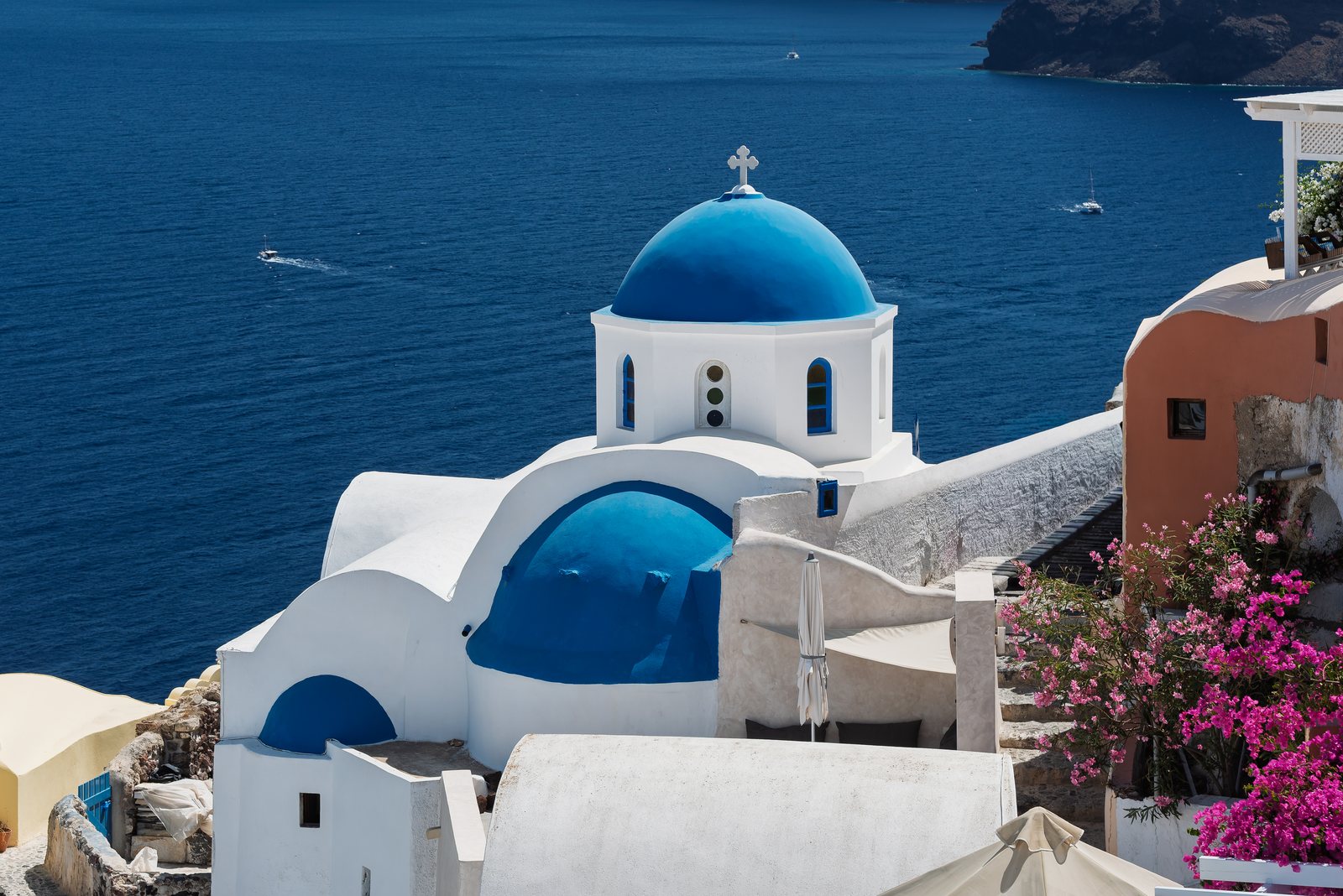
The Cyclades islands in the Aegean Sea have their own flavors. Santorini grows small sweet tomatoes and a smooth dip called fava, made from yellow split peas. Naxos is known for its potatoes and its cheese. Sea wind and dry soil shape every bite, and the plates stay simple.
Mountain villages show another side of Greece, slow and quiet. Zagori, in the north-west, and Pelion, in the east, have stone houses, wood fires, and pies baked in big pans for the whole family. Our guide to traditional Greek villages shows where to find them and what to eat once you arrive.
Northern Greece is a joy for food lovers, with bold flavors and warm hosts. Thessaloniki leads with spice, pastry, and seafood, and the wine hills of Naoussa sit within reach. A trip can mix a city, a coast, and a mountain village, and each stop tastes different from the last.



How Do Greece Tours Handle Dietary Needs?
Greek food suits many diets. A good tour asks about your needs before you book, and the kitchen plans around them. Tell the tour team about every allergy and rule early. A late note leaves the cook little room to adapt, and you deserve a full, safe plate.
Vegetarians eat well in Greece, and the choice is wide. Beans, greens, eggplant, peppers, and tomatoes star in dishes of their own. Gemista are tomatoes and peppers stuffed with rice and herbs. Tavernas also serve cheese pies, bean soups, and fresh salads, so a meat-free meal never feels like a compromise.
Vegans have a built-in guide: the fasting calendar of the Greek Orthodox church. On fasting days, cooks skip meat, dairy, and eggs, and they have done so for centuries. That is why a taverna in Greece keeps a long list of dishes made from plants, and why vegans find so much to eat.
Gluten and nut allergies need more care, so speak up early. Bread, pies, pasta, and many sweets use wheat flour, and many desserts hold nuts. Grilled meat, fish, rice, salads, and potatoes give you more choices. Ask your guide to speak with the cook about each dish before it is served.
Street food needs a plan too. Our Athens street food guide shows what goes into each snack, so you can choose with care. Carry a short note in Greek that names your allergy. Staff will read it, and your guide will back you up. That small card saves a lot of worry.
How Do You Choose The Right Food Greece Tours?
Start with your own taste, because every food lover wants something different. Do you love markets, wine, or home cooking? Pick a tour whose days match your answer. A trip full of cooking classes suits hands-on cooks. A trip full of tastings suits those who like to sit, sip, and listen to stories.
Check the group style next, since it shapes the whole day. Small groups fit into village kitchens and family tavernas. Larger groups suit city tours with set menus. Ask how the guide handles time, so you never feel rushed at the table, and ask how many stops fill each day.
Our guide to choosing the right Greek tour walks you through the questions to ask before you pay. It covers pace, group size, and the details that matter most to a hungry traveler. Read it with your travel partner, and make your list together over a good cup of coffee.
Ask who leads the group and how well they know the food. Only state-licensed guides may lead groups inside Greek archaeological sites and museums. If your trip mixes food with ancient sites, check that a licensed guide handles the site part. That keeps the whole trip smooth, legal, and full of good stories.
Read what the tour includes: check the meals, the drinks, the transport, and the stays. Look at the pace of each day and at the walking involved. A clear itinerary shows a well-run trip, and a vague one is a warning. Then book with confidence, pack comfy shoes, and arrive hungry.
Conclusion: Greece Tours For Food Lovers, Made Simple
Food is the best way to know Greece. A shared plate, a splash of olive oil, and a glass of local wine tell you more than a guidebook can. Good tours bring those moments to you, one table at a time, and they leave you with flavors you will crave back home.
Start small and build from there: pick a region, a style, and a guide you trust. Then come hungry and say yes to every dish. Whether you stay in one city or roam the islands, a great meal is waiting for you. Greece is ready to feed you. Kali orexi, which means good appetite!
Frequently Asked Questions About Greece Tours For Food Lovers
Are Greece tours with food worth it for casual eaters?
Yes, they suit casual eaters well, because no food skills are needed. The guide explains each dish in plain words, and the pace stays easy, with time to sit, talk, and enjoy. You leave with new favorite flavors, a full camera roll, and a better feel for the place.
How many days do food Greece tours need?
A single day can cover a market, a long lunch, and a tasting at a small winery. Longer trips let you cross regions, meet more cooks, and see how the food changes from island to mountain. Pick the length that fits your time and your appetite.
Do Greece tours include meals?
Each tour lists its meals in the itinerary, day by day. Food-focused trips fill the day with meals, tastings, snacks, and drinks, while sightseeing trips include fewer. Read the list before you book, so you know which meals are covered and which you buy yourself.
Is street food safe on Greece tours?
Yes, guides pick busy stands where food is cooked fresh and sold fast. Watch the cook, look for a line of locals, and eat hot food while it is hot. A good guide also tells you which snacks to try first and which stalls to skip.
Can Greece tours cater for vegetarians?
Yes, vegetarian dishes are a core part of Greek cooking, from baked beans to stuffed tomatoes. Tell the tour team when you book, and they will plan every meal around your diet. Vegans and guests with allergies get the same care when they share details early.
What is the best season for food Greece tours?
Spring brings wild greens and fresh herbs, and summer brings ripe tomatoes and fresh fish. Autumn brings the grape harvest and the start of the olive harvest, which brings fresh grapes and green, peppery oil. Pick the season that matches the foods you love most, and book early for that time.
How do Greece tours teach travelers to order like locals?
Greece tours teach ordering by showing guests how a Greek table works, with shared dishes and a guide who explains each plate. Guests learn the pattern at the first meal of the trip. By the second meal, most of them order with real ease.
Start with shared plates, not single dishes
Locals rarely order one main dish each, the way many visitors do at home. They pick several plates for the middle of the table and pass them around. On Greece tours, the guide sets this up on day one, so nobody ends up with a lonely plate of fries.
The usual order starts with dips, salads, and something fried or grilled. Bread arrives with it, and the table fills up fast. The group then adds a pot dish, grilled meat, or fish to share, and the guide says when to stop.
Sharing also keeps the bill lower than ordering a full plate each. These budget tips for Greece visitors show how else to eat well for less. Greece tours that plan shared meals make the habit easy to learn on the very first night.
Greek tables also follow a calm order at the end of the meal. Fruit or a small sweet often arrives free from the house, and coffee comes last. Greece tours leave time for this slow finish, because the table is where the best conversation happens.
Learn the few words and manners that matter
A handful of words changes how staff treat a table. Guides teach “kalimera” for good morning, “efharisto” for thank you, and “yamas” for cheers. This guide to essential Greek phrases covers many more that help at the table and in the market.
Manners matter as much as words, and meals run slowly. The bill comes only when the table asks for it, so guests never need to wave at a busy waiter. This guide to cultural etiquette for Greece visitors adds more on polite habits.
On Greece tours, guests also train the ear for menu words. They learn that “horiatiki” means village salad and that “meze” means small plates. A “kerasma” is a treat the house sends to the table, and a polite guest accepts it with thanks.


What do cooking classes add to Greece tours?
Cooking classes add hands-on practice to Greece tours, because guests make the dishes they have tasted under the eye of a local cook. The skills come home in the suitcase, long after the trip ends. The memory lasts longer than a photo.
From the market stall to the kitchen table
Many classes begin with a walk to the market. The cook picks herbs, greens, cheese, and olives, and explains why each one is in season. This habit of shopping first is how Greek home cooks plan a meal.
Guests who like to move between stops often pair a class with Greece walking tours of the old town. The walk shows where the food comes from. The class then shows what happens to it next, from the chopping board to the table.
Back in the kitchen, the group washes, chops, and tastes as it goes. Nobody needs experience, because the cook gives each guest a simple job, such as rolling dough or stirring a pot. Greece tours with a class turn shopping into cooking in a single session.
Dishes guests learn to make on Greece tours
Classes teach classics that travel well. Common choices are tzatziki, spanakopita, dolmades, and a tomato salad with feta. Moussaka and stuffed vegetables also appear, since they show how Greek cooks turn simple food into a feast.
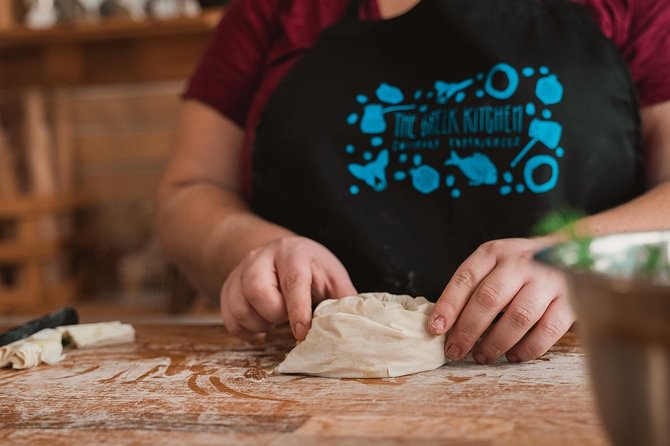
The best lesson is often the dough. Many cooks show how to roll phyllo, the paper-thin pastry used in spinach pies. Guests learn to work fast and keep the dough covered, and the pie still tastes good even when the first try looks rough.
A good class also explains the key ingredients. Olive oil is the base of most dishes, and lemon, oregano, and fresh dill add bright flavor. Greece tours that teach these basics help guests cook Greek food well in a home kitchen.
Classes usually end with a shared meal, with wine or juice on the table. Each recipe has a story, and the cook shares it. This guide on how to experience local Greek traditions adds more, and Greece tours use these stories to link food with family life.


How do Greece tours work with family-run tavernas?
Greece tours work with family-run tavernas by booking tables ahead, sharing the group’s needs with the owner, and letting the family cook. The guide handles the talking, and the family handles the food. Guests eat what locals eat.
Why small family kitchens suit small groups
A family taverna has a short menu and a small kitchen. That suits a small group well, because the cook can plan for a known number of guests. It is why small group and private tours fit these kitchens better than large coach groups.
The owner usually greets the group at the door. Some tavernas have no printed menu at all. Instead, the owner walks guests to the kitchen and lifts the pot lids, and the guide explains each dish.
Greece tours that return to the same taverna build real friendships over time. The family learns what the group enjoys, and the guide learns what the cook does best. Everyone gains from that trust, and the meals feel more like visits with friends.
The guide also acts as a bridge between the table and the kitchen. The guide translates questions, explains each dish, and helps guests thank the cook in Greek. Greece tours treat that thank-you as part of the meal.
What a village table looks like on Greece tours
On a village table, food arrives in waves. First come bread, olives, and dips. Then come greens, cheese pies, and whatever the garden gave that week, and meat or fish follows before fruit closes the meal.
Seaside tavernas serve the catch of the day, often priced by weight. Mountain tavernas lean toward grilled meat, beans, and wild greens. Greece tours pick the taverna that fits each region, so the food matches the place.
Village feasts bring the whole community to one long table. Some Greece tours are planned around Greek festivals to experience, where the square fills with music and food. Guests join the dancing if they want, or just watch and eat.
Other trips focus on Greek Easter traditions, when families roast lamb and crack red eggs. Guests who join a local table feel the holiday from the inside. Greek hospitality, called philoxenia, treats every guest like family.
What drinks besides wine appear on Greece tours?
Greece tours offer ouzo, tsipouro, Greek coffee, mountain tea, fresh juice, and local beer, and each drink fits a time of day. Guides explain when to order which. Guests soon pick favorites.
Ouzo, tsipouro, and the meze habit
Ouzo is a clear spirit flavored with anise. Guests add water or ice, and the drink turns cloudy. Locals sip it slowly with small plates rather than drinking it fast.
Tsipouro is a grape spirit made from the skins left after winemaking. On Crete, a similar drink is called raki. Both arrive with food, and in many tavernas a small bottle comes with a plate of meze.
Guides also remind guests to drink water between glasses. Greece tours keep the pace slow on purpose. These safety tips for Greece tourists add more advice for hot days and late nights.
Coffee, tea, and cool drinks on the road
On Greece tours, Greek coffee is cooked in a small pot called a briki and served in a small cup. The grounds settle at the bottom, so guests sip slowly and stop before the mud. Many locals drink it with a glass of water on the side.
- Greek coffee: strong, served in a small cup.
- Frappé: whipped instant coffee over ice.
- Freddo: iced espresso, easy to find in any café.
- Mountain tea: a hot or cold herbal drink.
- Fresh juice and lemonade: cool, bright, and simple.
Mountain tea is made from a wild herb that grows on high slopes. Greece tours often stop in a village café, because the break gives guests time to watch daily life. Winter brings warm herbal drinks, and summer brings cold coffee and citrus.
Beer fits casual evenings. Local brands are common at tavernas, and cold lemonade suits guests who skip alcohol. Greece tours make sure every guest has something good in the glass.
Drinks change with the calendar, as this guide to Greek holiday customs shows. Guests who read about seasonal events in Greece can match each drink with a festival or a feast day.
Which Greece tours taste Athens and Attica?
Good Greece tours in Athens and Attica mix a market walk, a tavern lunch, and a winery visit in the nearby vineyards. Most routes begin in the busy city centre. They end among vines on the hills outside town.
Athens Central Market and Monastiraki
Athens Central Market is the loudest food stop in the capital. Guides lead guests past fish stalls, meat halls, spice shops, and barrels of olives. Tasters try cheese and cured meat straight from the counter.
Monastiraki sits a short walk away and is famous for souvlaki. Food-focused Greece tours often stop here for a warm pita wrap and a cold drink. Next come bakeries that sell sesame bread rings and honey pastries.
Greece tours that visit the market work best with a guide who knows the stall owners. Tasters leave with a clear idea of Greek staples, such as feta, olives, honey, and fresh herbs. Shoppers can then buy small gifts to carry home.
Travellers who plan a longer stay can look at guided trips in Athens to see how a food walk fits around the big sights. Budget travellers can add free attractions in Athens to keep the total cost low.
Plaka tavernas and Attica wineries
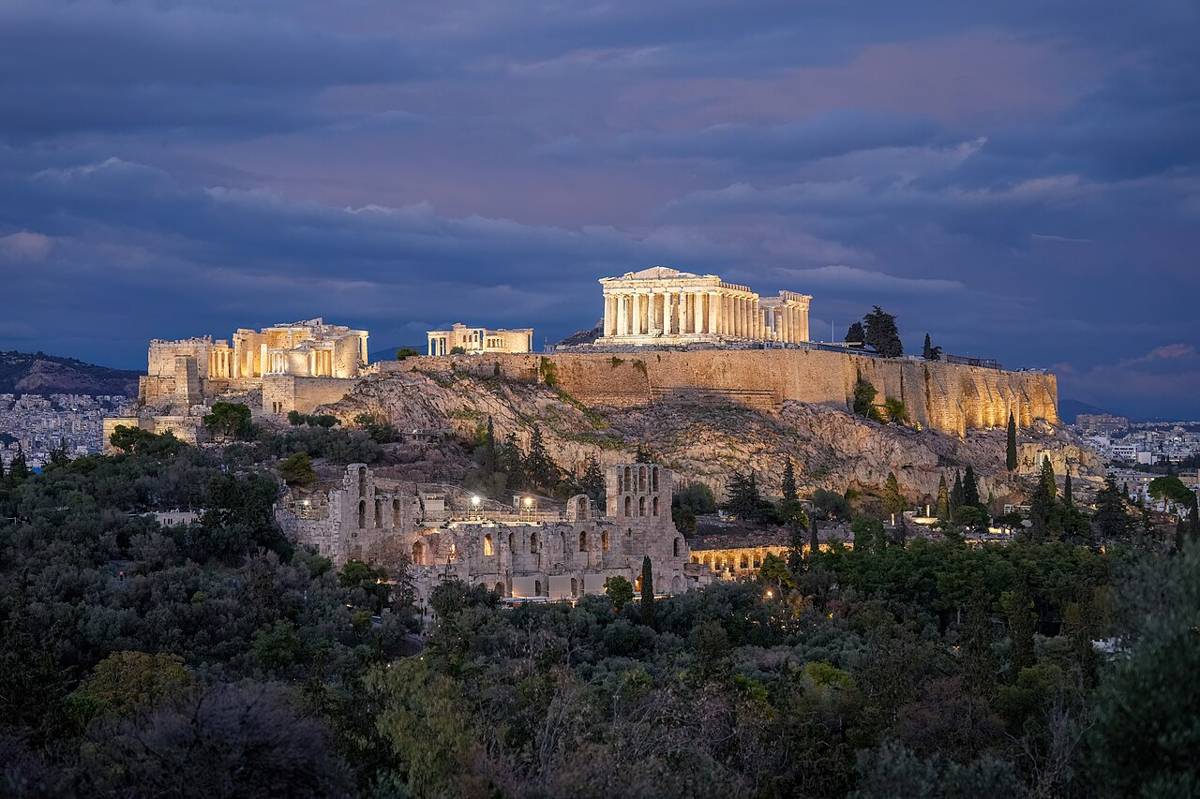
Plaka is the old quarter at the foot of the Acropolis. Narrow lanes lead to family tavernas with vine-covered patios. Tables fill with dolmades, fried cheese, grilled vegetables, and other small plates called meze.
Greece tours that include Plaka plan a long, slow lunch. The guide explains each dish and how Greek families share food. Moussaka and lemon potatoes arrive last, followed by something sweet.
Wine country begins just east of the city. Growers there farm the Savatiano grape, which makes crisp white wine and retsina, a wine flavoured with pine resin. Cool cellars host the tastings, with bread, olives, and cheese on the side.
Greece tours in Attica also reach the coast, where seaside tavernas serve grilled fish and fresh salads. Guests eat with a view of the water and the hills behind. The mix of vineyards and sea gives the region two tastes in one day.
Food guides lead the street walks and winery visits. Only state-licensed guides can lead groups inside the Acropolis and other archaeological sites or museums. A good tour hands over to them for that part.
Which Greece tours taste the Cyclades islands?
Greece tours in the Cyclades focus on island farms, fresh seafood, and volcanic wine, with a different local speciality on each island. Sea air and whitewashed villages set a gentle pace. Lunches here are long and relaxed.
Naxos and Paros farm and harbour tastes
Naxos is the greenest of the Cyclades and is known for feeding itself. Tours visit mountain villages where families make cheese, grow potatoes, and bottle a citron liqueur called kitron. A day among Naxos farm villages shows how much the island grows.
Paros adds fishing harbours and quiet hill villages. Boats unload at Naoussa, and nearby tavernas grill octopus and serve fresh fish. Walkers will enjoy the Paros harbour towns at a slow pace.
Many Greece tours link both islands by ferry. The ferry ride is easy, so guests can taste the cheese of Naxos and the seafood of Paros in one trip.
Greece tours on these islands also cover bread and sweets. Bakers make barley rusks, sesame bars, and almond treats, and many sell them from small village shops. A bag of these snacks travels well and makes a handy gift.
Sifnos cooking and Santorini wineries
Sifnos has a name as the island of cooks. Chef Nikolaos Tselementes, who wrote a famous Greek cookbook, came from here. Cooks bake chickpea soup in clay pots overnight, and the island has a long pottery tradition.
Travellers can learn more about Sifnos cooking and pottery before they pick a class or a village lunch. Greece tours with a cooking lesson let guests knead dough and stuff vine leaves.
Santorini grows grapes in volcanic soil. The Assyrtiko grape makes sharp white wine, and growers twist the vines into low baskets that shield the fruit from wind. Tastings at Santorini wine estates pair the wine with fava, tomato fritters, and sweet Vinsanto.
Greece tours for wine lovers often start with Santorini, because its crisp, mineral white wines taste unlike any other in the country. A guide explains each glass in plain words, and guests learn how wind and soil shape the flavour.
Each island has its own signature bite. A typical tasting plate includes these foods:
- Naxos cheese and fried potatoes
- Paros grilled octopus
- Sifnos chickpea soup
- Santorini fava and tomato fritters
- Vinsanto, a sweet dessert wine
Which Greece tours taste Crete?
Greece tours in Crete centre on olive oil, mountain cheese, wild greens, and village kitchens, with Chania and Heraklion as the usual city bases. Crete is the largest Greek island and has a food culture of its own. Cooks favour simple, fresh, local ingredients.
Chania old town and Heraklion markets
Chania old town curls around a Venetian harbour. Lanes behind the water hold bakeries, spice shops, and a large covered market. Guides lead guests to taste dakos, a barley rusk topped with tomato and soft white cheese.
Heraklion is the island’s busiest city. Its market lane sells herbs, honey, olives, and cheese of every kind. Small pies called kalitsounia, filled with sweet or salty cheese, make a perfect snack.
Greece tours in Heraklion often pair the market with a museum visit, but a state-licensed guide must lead the group inside. The food part of the day then continues with coffee and a sweet pastry.
Travellers who like to plan ahead can read about food routes across Crete before they choose a base. Greece tours that stay in one city can still reach the other on a day trip.
Cretan villages and mountain kitchens
Village tables show Cretan cooking at its best. Hosts serve snails cooked with rosemary, pies of wild greens, roast lamb, and thick yoghurt with honey. The meal ends with raki, a clear spirit made from grape skins.
Many Greece tours stop at an olive press or a small dairy. Guests see how oil and graviera cheese are made, then taste both with fresh bread. The oil tastes green and peppery straight from the press.
Greece tours in the villages rely on host families, so the meals feel like a visit to a relative. Plates are shared, glasses are refilled often, and stories flow as freely as the wine. Guests learn that Cretans treat food as a form of welcome.
Quiet corners reward curious eaters. Read about hidden gems in Crete to find small hamlets and family farms off the main roads. Local Greece tours can match a route to a slow pace.
Which Greece tours taste northern Greece?
Greece tours in northern Greece centre on Thessaloniki’s markets and bakeries, then head up to Pelion’s mountain villages for pies, sweets, and tsipouro. The north has a different mood from the islands. Menus lean on pies, grilled meat, peppers, and spice.
Thessaloniki markets and bakeries
Many Greeks call Thessaloniki the food capital of the country. Its kitchens carry flavours from Istanbul and Asia Minor, brought by families who settled here long ago. Spice stalls fill the air with warm smells.
The Modiano and Kapani markets fill the centre with fish, spices, sweets, and cheese. A walk through Thessaloniki food markets ends with bougatsa, a warm flaky pie filled with custard or cheese. Bakeries also sell koulouri, a sesame bread ring.
Evening brings meze near the old port. Grilled fish, fried mussels, and dips arrive in a steady stream. Greece tours here often finish with a glass of tsipouro, a strong grape spirit.
Greece tours in Thessaloniki pair the markets with sweet shops. Trigona panoramas, cone-shaped pastries filled with cream, are a local favourite. Many guides time the walk so guests can eat one warm, with a coffee on the waterfront to follow.
Pelion villages and tsipouro tables
Pelion is a green mountain peninsula near Volos. Stone villages sit among apple orchards and chestnut woods, and plane trees shade the village squares. Cooks use herbs picked on the slopes.
Local dishes include spetsofai, a stew of sausage and peppers, and pies made with wild greens. A walk among Pelion mountain villages usually ends at a table in the shade. Greece tours here suit people who like cool air and quiet.
Greece tours in Pelion also include sweets. Village cooks make spoon sweets, which are fruit kept in thick syrup and served on a small spoon with a glass of cold water. Guests taste them on a shady porch with a view of the sea.
In Volos, each round of tsipouro arrives with a fresh plate of meze. Travellers who want less-visited corners can find more ideas for going off the beaten path in Greece. Choose a route that matches the pace and the season.
Which food Greece tours suit couples?
Food Greece tours for couples work best when they mix a sunset dinner, a small cooking class and free time to wander. Pick a tour that keeps groups small. Quiet tables matter more than long itineraries.
Romantic dinners in Oia and Mykonos
Oia is famous for its sunsets, and many couples plan one dinner around the view. A table by the edge fills early, so booking ahead is important. Good Greece tours book this table for their guests.
This guide to the best sunset spots in Greece helps couples choose where to end the day. A glass of white wine and a plate of grilled fish suit the moment well.
Mykonos suits couples who want a livelier night. Seafood grills, wine bars and walks through Little Venice fill the evening. Food-focused Greece tours often add Mykonos after a quieter stay on another island.
Sharing plates is the easiest way to taste more. Greek meze, such as grilled octopus, fava and fried cheese, comes in small dishes meant for the middle of the table.
Wine makes a dinner feel special. Greek whites such as Assyrtiko pair well with seafood, and local reds suit grilled meat. Couples on food Greece tours often finish with a dessert wine and a slow walk back.
Quiet villages on Naxos and in Nafplio
Naxos villages offer a slower kind of romance. Couples can taste local cheese and potatoes in family kitchens, then walk through narrow lanes past old churches. Many Greece tours include a village lunch for this reason.
Nafplio is a calm seaside town with neoclassical streets and small squares. It was the first capital of modern Greece, and its old town is easy to explore on foot. Evenings there feel unhurried.
Couples planning a wedding or a honeymoon can read about the top Greece wedding destinations before choosing a base. After a long lunch, the top beaches in Greece offer a quiet place for a swim.
Quiet mornings matter as much as dinners. A bakery stop for fresh bread, a coffee in the square and a market walk set a gentle tone. Greece tours built for couples leave these hours free.
Which food Greece tours suit families?
Family food Greece tours suit children best when they include hands-on activities, relaxed restaurants and simple dishes that young eaters already know. Short activities keep energy high. Good itineraries also plan dinner early.
Hands-on food fun for children
Children enjoy food they can touch. Pastry classes, bread shaping and olive oil tastings turn a meal into a game. Many Greek cooking classes welcome young helpers, and the results go straight onto the table.
Greek food is easy for young eaters. Souvlaki, pasta, bread, yogurt with honey and fresh fruit appear on most menus. Parents relax when picky eaters can always find something familiar.
Planning matters with children. These family-friendly Greece travel tips cover pacing, rooms and meal times. Families who follow that advice enjoy their Greece tours with far less stress.
Tours that let each child pick one dish keep meals fun. A stop for loukoumades, the warm Greek honey doughnuts, works as a treat between sights. Flexible Greece tours win the most smiles.
Easy places for family meals
Corfu old town works well for families. Its pedestrian lanes and open squares let children move around between courses. Local dishes include pastitsada, a pasta dish with a spiced meat sauce, and sofrito, slow-cooked veal with garlic.
The Athens Riviera is the coast south of Athens. Seafront tavernas sit near sandy beaches, so families can swim before lunch and eat soon after. Shaded terraces keep the table cool.
Light bags make travel days easier, and this guide to packing light for Greek island tours lists the basics. Families can also teach children to respect local places. Read about sustainable travel in Greece for simple habits that fit a food trip.
Mealtimes with children go better with a plan. Early tables, a shaded seat and a quick first dish keep everyone calm. Many Greece tours for families build the whole day around these needs.
Which food Greece tours suit slow travelers and older visitors?
Slow travelers and older visitors do best on food Greece tours with few hotel changes, short walks and long lunches. Shaded tables help too. Tastings can still be rich and varied.
A slower pace in Naxos villages and Nafplio
Slow travel means staying longer in fewer places. A longer stay in one village lets visitors meet the baker, the cheese maker and the café owner. Meals become a daily habit, not a single event.
Naxos villages suit this style well. Shops, bakeries and tavernas sit close together, so walks stay short. Nafplio works in the same way, because its old town is compact and full of cafés.
Visitors choosing an island can read this review of the best Greek island for older travelers. Pick a base with flat streets and good food nearby, then book Greece tours that start from that base.
Markets are a gentle way to spend a morning. Visitors can taste olives, cheese and honey, then ask the sellers how each one is made. A good guide explains the local names in plain words.
Comfortable tables and easy company
Comfort changes how people enjoy a meal. A good food tour for older guests offers these things.
- Small groups and a guide who watches the pace.
- Shaded or indoor tables at midday.
- Short walks between stops.
- Rest time after lunch.
- Clear notes on food allergies.
Wine and olive oil tastings need no rush. A seated tasting at a family farm lets guests sip and listen without walking far. Older visitors enjoy the stories behind each bottle.
Solo travelers often find food tours friendly, because shared tables start conversations. These solo travel tips for Greece explain how to plan a trip alone. Slow Greece tours give solo guests time to talk.
Many slow travelers also care about where they sleep. This list of eco-friendly accommodations in Greece points to greener stays on the mainland and the islands.
Food looks best in soft morning or evening light. These photography tips for Greece tours help with markets, tables and village scenes.
Which places belong on food Greece tours?
Food Greece tours work best in places where a famous sight sits close to a local table. Delphi, Mykonos, Corfu and Rhodes all pair history with food that families still cook at home. Each region below has its own bread, cheese, oil and wine.
Mainland
The mainland holds the old sites that most travelers know from school books. Food stops here are simple and strong, with mountain cheese, village bread and meat grilled over coals. Good Greece tours link each site to a meal nearby, so history and lunch share the same day.
- Delphi is known for its ancient oracle and the olive groves below.
- Meteora is known for cliff-top monasteries and simple village meals.
- Olympia is known for the first Olympic Games and nearby farm lunches.
- Mystras is known for its medieval hill town near Sparta.
- Epidaurus is known for its ancient theater and its famous sound.
Cyclades
The Cyclades are dry, windy islands with little farmland, so island cooks make the most of what grows. Capers, cheese, fresh fish and hearty bread fill the tables. Greece tours of these islands move slowly from one harbor town to the next and leave time for long lunches by the sea.
- Mykonos is known for lively harbor tavernas and fresh seafood.
- Milos is known for volcanic coves and seafood in tiny fishing villages.
- Amorgos is known for its cliffside monastery and quiet village kitchens.
- Syros is known for its elegant harbor town and sweet loukoumi.
Ionian Islands
The Ionian Islands sit on the west side of Greece, where the hills are greener and the rain is heavier. Venetian rule left its mark on the food, such as pastitsada, a spiced meat stew served with pasta on Corfu. Greece tours here mix sea views with slow, family-style lunches.
- Corfu is known for its Venetian old town and spiced local stews.
- Kefalonia is known for Robola white wine and hearty meat pies.
- Lefkada is known for turquoise beaches and quiet mountain villages.
Dodecanese and Crete
The Dodecanese lie close to Turkey, so their cooking shares tastes with the nearby coast, from herbs to grilled fish. Crete is the largest Greek island and cooks with olive oil, wild greens and mountain cheese. Greece tours that finish on Crete show how far a single island can stretch a menu.
- Rhodes is known for its medieval old town and Embonas wine villages.
- Kos is known for an ancient healing temple and relaxed beach towns.
- Symi is known for pastel harbor houses and tiny local shrimp.
- Knossos is known for its huge Bronze Age palace and nearby wine villages.
How do food lovers plan Greece tours over one week?
Food lovers plan Greece tours over one week by giving each day one clear job: a market, a village table or a winery. Sights and ferry rides fill the gaps between them. This rhythm keeps travelers fed and rested, and it stops the week from turning into a rush.
Food is easiest to enjoy when the week has a base and a rhythm. Athens works well as a start, because most flights land there and the markets, old taverns and ferry ports are all nearby. From there, an island or two adds sea air and a slower pace.
Meals set the clock. Breakfast stays light, with yogurt, honey and fruit, so there is room for a long lunch, the main meal in many Greek homes. Dinner starts late and runs slowly, so a week needs space for evenings that last.
A market day in the city
A market day starts early, when stalls are full and local cooks do their shopping. In Athens, the central market on Athinas Street sells olives, cheese, spices, fish and meat under one roof. Food Greece tours use it to teach the basics of the Greek pantry.
After the market, a short break from the city keeps the pace gentle. These day trip ideas from Athens put a hill village or a seaside lunch within easy reach. The market shopping then turns into a proper meal.
Good market shopping follows a few simple habits. Travelers ask what is in season, taste before buying and choose small items that travel well, such as dried herbs. Most sellers enjoy explaining their goods.
A village table in the countryside
A village table is the heart of the week. The meal is slow, shared and built from what the family grows, such as tomatoes, beans, greens, bread and a jug of house wine. Greece tours that stop at village tables show how Greeks really eat.
Island villages suit this day best. Travelers who like to move between islands can use these Greek island hopping routes to match ferry rides with villages worth a long lunch. The host shares the family’s favorite dishes and explains how each one is made.
The menu changes with the season, and the host decides what reaches the table. Spring brings wild greens and fresh cheese, and summer brings tomatoes and grilled fish. Autumn and early winter bring grapes, nuts and fresh olive oil.
A winery day on the road
A winery day slows the week even more. Santorini’s volcanic soil gives its Assyrtiko white wine a crisp, mineral taste, and family wineries pour it with local tomatoes, fava and cheese. Wineries on Crete and the mainland offer their own styles, so the same week can show very different flavors.
Travelers who want a ready-made route can start from a seven-day plan through Athens, Santorini and Mykonos. Trading one sightseeing day for a winery visit adds the tasting. Food Greece tours built this way stay light on driving and heavy on flavor.
A good winery visit follows the same steps in every region. Guests walk through the vines, see the press and the cellar, and then taste several wines with food. Grape names such as Assyrtiko, Agiorgitiko and Xinomavro are worth learning, because they appear on wine lists across the country.
More questions about food Greece tours
These short answers cover the questions travelers ask most about food Greece tours, from wine and cooking classes to tipping and clothes. Each one reflects how Greek meals and tastings work in practice.
Do food Greece tours include wine tastings?
Yes, food Greece tours include wine tastings at family wineries or village tavernas, served with bread, cheese and olives. Santorini, Crete, Nemea and Rhodes are well-known wine areas with their own local grapes. Guests who skip alcohol can ask for juice or herbal tea instead.
Are food Greece tours suitable for children?
Yes, food Greece tours suit children well, because Greek meals are shared, relaxed and full of simple foods that most kids enjoy. Grilled meat, fresh bread, cheese pies and fruit are easy choices for young eaters. Families do best with short walks and a long lunch break.
Can food Greece tours be booked for one evening?
Yes, food Greece tours can be as short as one evening, such as a guided walk through old city streets with stops at tavernas. The old towns of Athens and Rhodes suit this style, because the best tavernas sit close together. An evening tour is also a good test before a longer trip.
Do food Greece tours include cooking classes?
Yes, many food Greece tours include a hands-on cooking class where guests learn to make dishes such as dolmades, spanakopita or tzatziki. Classes run in a home kitchen, a taverna or on a farm, and the host guides each step. Guests then sit down and eat the meal they cooked.
Is tipping expected on food Greece tours?
Tipping is welcome but not required on food Greece tours, and guests thank a good guide or host with a small extra amount. In Greek tavernas, many diners round up the bill or leave a few coins on the table. Cash is the easiest way to do this, so small notes and coins are handy.
What should travelers wear on food Greece tours?
Travelers should wear light, breathable clothes and comfortable walking shoes on food Greece tours, with a hat and sunscreen for hot days. A light layer helps on evenings by the sea, and shoes with a good grip help on steep stone streets. Monasteries such as those at Meteora ask visitors to cover shoulders and knees.
See more in Empapsito Argyroupoli:
- Τι πρέπει να γνωρίζετε για το κρέας;
- Πως να ψήσετε σωστά τα λουκάνικα
- Πως να ψήσετε τέλεια μια μπριζόλα
- 9 συμβουλές για το τέλειο ψήσιμο κοτόπουλου
- Πώς να προετοιμάσετε σωστά το κρέας για το ψήσιμο